
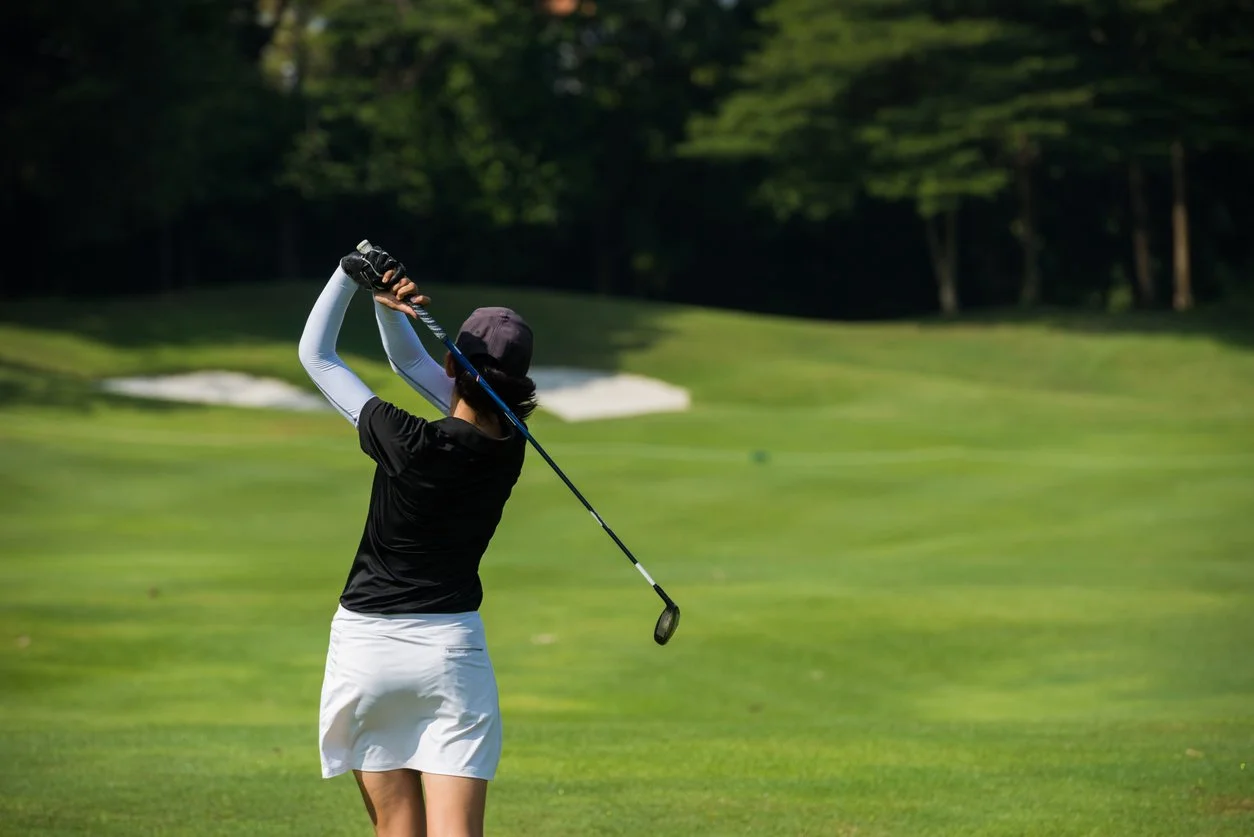
Purchased photo from IStock
In the 2026 golf season, I had a 12 stroke improvement in my golf index in the first three months, and laying the foundation for that shift started in the off-season. I returned to golf in 2025 after a 25-year hiatus except for the occasional best ball tourney, driving range session, or mini golf with my daughter. Like many golfers experience, the season was full of inconsistencies. While I got very good at my shots out of the trees, I knew I was not playing to my potential.
Here are three key aspects I focused on in off-season that set me up for success this year:
1. Specific Intentional Practice
I identified two areas of my game that would make the biggest impact on my results: short game accuracy and putting. For the first three months, I did not pick up a club longer than a 7-iron. Afterall, if I could not hit the shorter irons straight, how could I expect to hit the fairway with the long clubs. I worked on swing mechanics, chipped into baskets, played par-3 courses on the simulator, and putted into cups in my living room. Know what you are working on, have specific and measurable goals, and engage in regular intentional practice.
2. Injury Management
The off-season is an opportunity to look after your injuries, get the treatment you need, and develop a proactive routine that helps prevent injuries from being an issue the following year. You may be dealing with acute (short-term) injuries that just came up, or chronic (long-term) issues that have become part of your life. I had rib pain that I got regular treatment for, did strengthening and flexibility exercises, and then started back with half and 3/4 swings before full swing practice. In addition, I had reduced neck mobility from an injury 25 years ago, and regular specialized treatment and specific exercises gave me range of motion I have not had since my 20s and my ribs were not an issue once this year.
3. Be a Student of the Game
You may have heard the saying, “You don’t know what you don’t know”. We may not even know something is an issue if we do not have the knowledge in the first place. Be a student of your sport. Watching those at a higher level, watching tutorials, and taking lessons can give you value insight. The off-season provides an opportunity to work on skill mechanics that would be frustrating to try to implement during the season. By watching higher level play, you can assess whether the expectations you have for yourself are reasonable. I realized my expectations for some shots were unrealistic after watching PGA and LPGA tournament coverage and the commentators would say how hard certain shots were. I realized I had been disappointed with shots that commentators would say “that is about as good as you can do from there”.
To learn more about making the most of the off-season and support with developing a plan that will set you up for success, contact Tonia at tonia@toniaandersonpsychology.ca or book a free consultation at a time that works for you.
Tonia Anderson is a Registered Psychologist (RPsych), former elite athlete and executive leadership coach, specializing in performance and health psychology. With over 25 years in peak performance, she has worked with junior, amateur, NextGen, and professional athletes competing at local, provincial, national, and international levels including World Championships, Olympic Trials, Pan-Am Games, and more. Tonia works with business executives, emerging leaders, youth, first responders and individuals wanting to achieve their career, sport, and life goals.